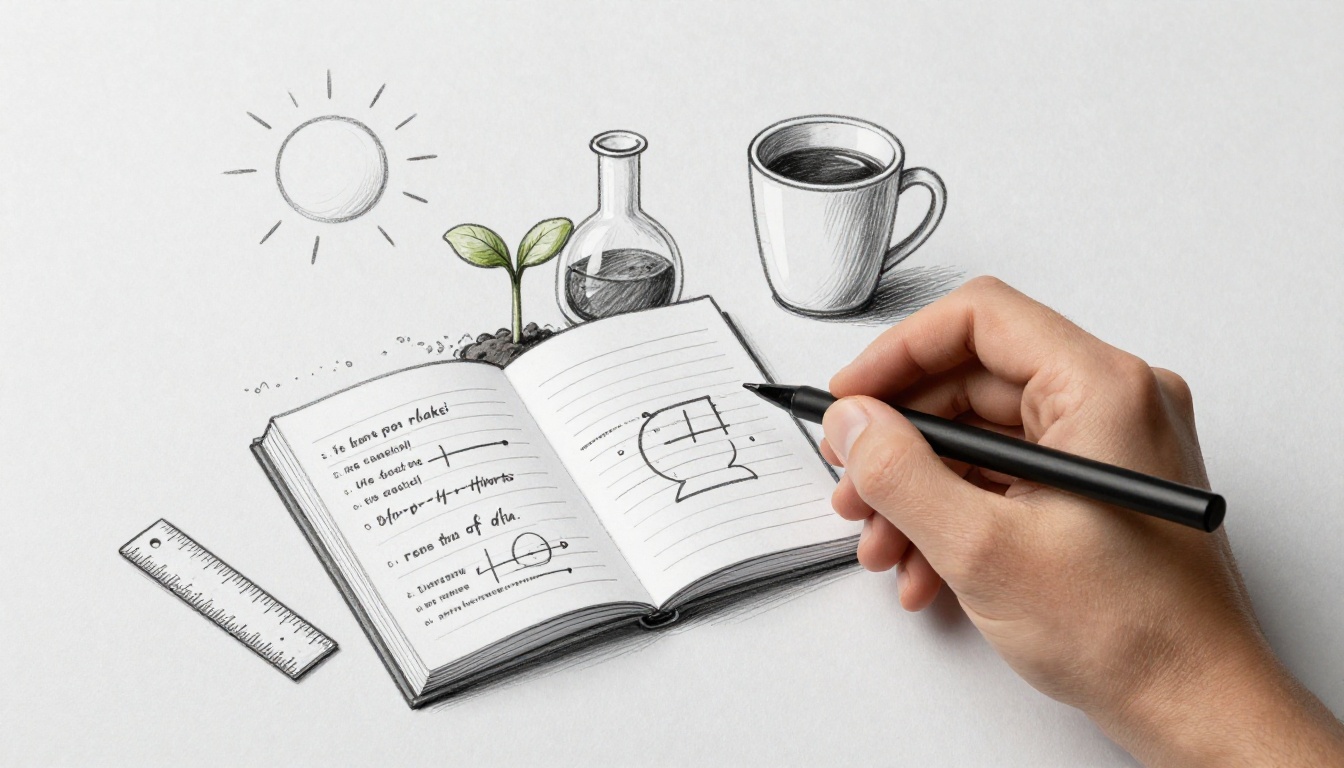
Ever notice how plants stretch taller toward sunlight? You might guess it’s because they crave light. That simple thought can spark real discovery if you turn it into a testable hypothesis.
Most people stop at guesses. They waste time chasing ideas that lead nowhere. A testable hypothesis changes that. It’s an educated guess you can prove right or wrong with a clear experiment. This keeps your efforts focused and results reliable.
You’ll learn what makes a hypothesis testable. Then, follow steps to build your own. See examples from kitchen to garden. Avoid common traps too. By the end, you’ll form hypotheses that drive real answers.
Spot the Difference: Testable vs. Everyday Guesses
Everyday guesses fill our days. “Coffee wakes me up” sounds true. But is it testable? Not yet. A testable hypothesis stands out because you can check it with data.
Testable ones guide experiments. They predict exact outcomes. Vague ideas drift without direction. Good hypotheses save time and build knowledge.
Here’s a quick comparison:
| Everyday Guess | Testable Hypothesis | Why It Works Better |
|---|---|---|
| Cats like milk. | Kittens drink 20% more milk when hungry. | Measures amount; checks conditions. |
| Exercise helps health. | Running 30 minutes daily lowers heart rate. | Specific action; clear measurement. |
| Plants need water. | Plants without water wilt in 3 days. | Defines outcome; sets timeline. |
This table shows the shift. Testable versions point to action.
Core Traits Every Testable Hypothesis Needs
Clarity comes first. Use plain words. Skip fuzzy terms like “better” or “lots.”
Next, make it measurable. Tie results to numbers or yes/no checks. “Grow taller” becomes “grow 2 inches in a week.”
Predictability seals it. State “if this, then that.” For example, if you add fertilizer, plants gain height.
These traits link to science basics. Observations feed them. Experiments test them.
Why Vague Guesses Fall Flat
Vague ideas stall progress. “Unicorns cause rainbows” amuses but proves nothing. You can’t disprove it.
Non-testable guesses resist evidence. They block learning. Refine them instead. Turn “Unicorns cause rainbows” into “Full moons increase rainbow sightings by 10%.” Now test away.
Humor helps here. Bad guesses act like that friend who never admits fault.
Build Your First Testable Hypothesis: A Simple Recipe
Ready to craft one? Start with basics. Mix observations, known facts, and clear variables.
Use this template: “If [you change this], then [this happens].” Fill blanks with specifics.
Independent variables are what you tweak. Sugar amount in cookies, for instance. Dependent ones measure change. Softness after baking.
Tips keep it sharp. Stay bold but narrow. Test one thing at a time.
Checklist for your hypothesis:
- Specific change?
- Measurable result?
- Clear prediction?
- Falsifiable outcome?
Check these. You’re set.
Step 1: Observe and Ask Why
Watch your world. Cookies burn on one rack? Plants droop mid-day?
Spot patterns. Ask why. “Why do some cookies burn faster?” Curiosity fuels the fire.
Daily life offers endless starts. Data from apps or notes works too.
Step 2: Dig into What Others Know
Research basics quick. Google plant needs or cookie science.
Avoid reinventing. Known facts ground your guess. No need for deep dives. Basics prevent errors.
Step 3: Craft and Tweak Your Guess
Draft it. “If I bake on top rack, cookies burn less.”
Test for holes. Too broad? Add measures: “burn 50% less in 10 minutes.”
Before: “More sugar makes cookies good.” After: “If I double sugar, cookies stay soft 2 days longer.” Refine until solid.
Real-Life Examples to Copy and Try Yourself
Examples make it stick. Try these. Pause and tweak your version.
Kitchen tests thrill kids. Garden ones teach patience. Tech ones fit desks.
Pick one. Form your hypothesis now.
From Kitchen Curiosity to Hypothesis Hero
Burnt cookies bug you? Start with “Sugar affects softness.”
Refine: “If I add extra sugar, cookies stay soft three days longer.”
Test it. Bake batches. Vary sugar by tablespoon. Check daily. Note textures. Simple tools work.
Controls matter. Same oven time. Same recipe base.
Garden Growth: Testing Sunlight’s Power
Shaded plants lag? Guess: “Sun helps growth.”
Testable: “If plants get six hours of sun daily, they grow 20% taller than shaded ones in two weeks.”
Measure heights weekly. Use same pots, soil, water. Compare groups.
Sun wins. Data proves it.
Steer Clear of These Traps When Guessing
Mistakes sneak in. Broad scopes waste effort. “Exercise helps” covers too much.
Unmeasurable outcomes flop. “Plants feel happy” defies checks.
Biased words tilt results. Skip them.
Ignore controls? Chaos follows.
Pro tips: Share with friends for feedback. Sleep on drafts. Revise fresh.
Fixing Biased or Leading Language
“Exercise makes you happy” assumes truth. Neutral: “Daily walks change mood scores.”
Fair tests need even ground. Measure before and after. Let data speak.
This keeps science honest.
Forming testable hypotheses unlocks answers. Spot traits like clarity and measurability. Follow observe-research-craft steps. Kitchen cookies or garden plants show how.
Pick a curiosity today. Build your “if-then” statement. Run a quick test. Share results below. What hypothesis will you try first?
Curiosity drives lifelong learning. Start small. Watch ideas bloom into knowledge.